Thrive Medical Consulting

Home  /  Technology

Microneedle injection and training

The device is the easy part. The training is what makes it pay.

A microneedle injection device, sold with my own provider training. This is the line where what I teach is worth more than the hardware, and I am careful about who I teach it to.

What you are actually buying

A small device and the training that makes it worth owning.

The hardware is simple. What changes the economics is the protocol behind it, which is why I do not sell one without the other.

MicronJet

MicronJet

Microneedle injection device

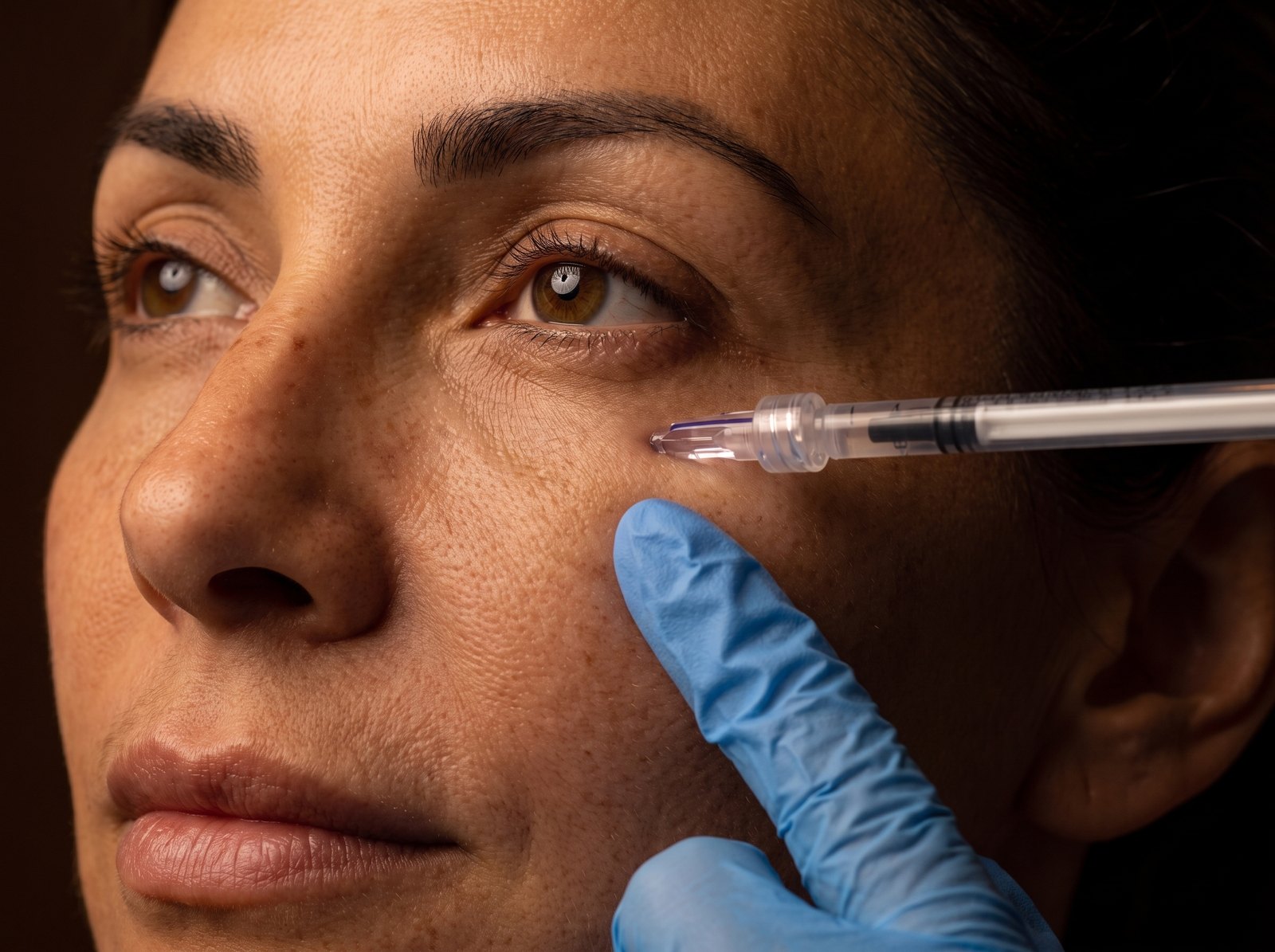
A precision microneedle hub that mounts on a standard luer-lock syringe in place of a conventional needle, for controlled delivery into the skin rather than beneath it.

  • Fits the luer-lock syringes your practice already stocks
  • Built for control and consistency between providers
  • Comfortable enough that patients book the follow-up
Two depths

Two depths

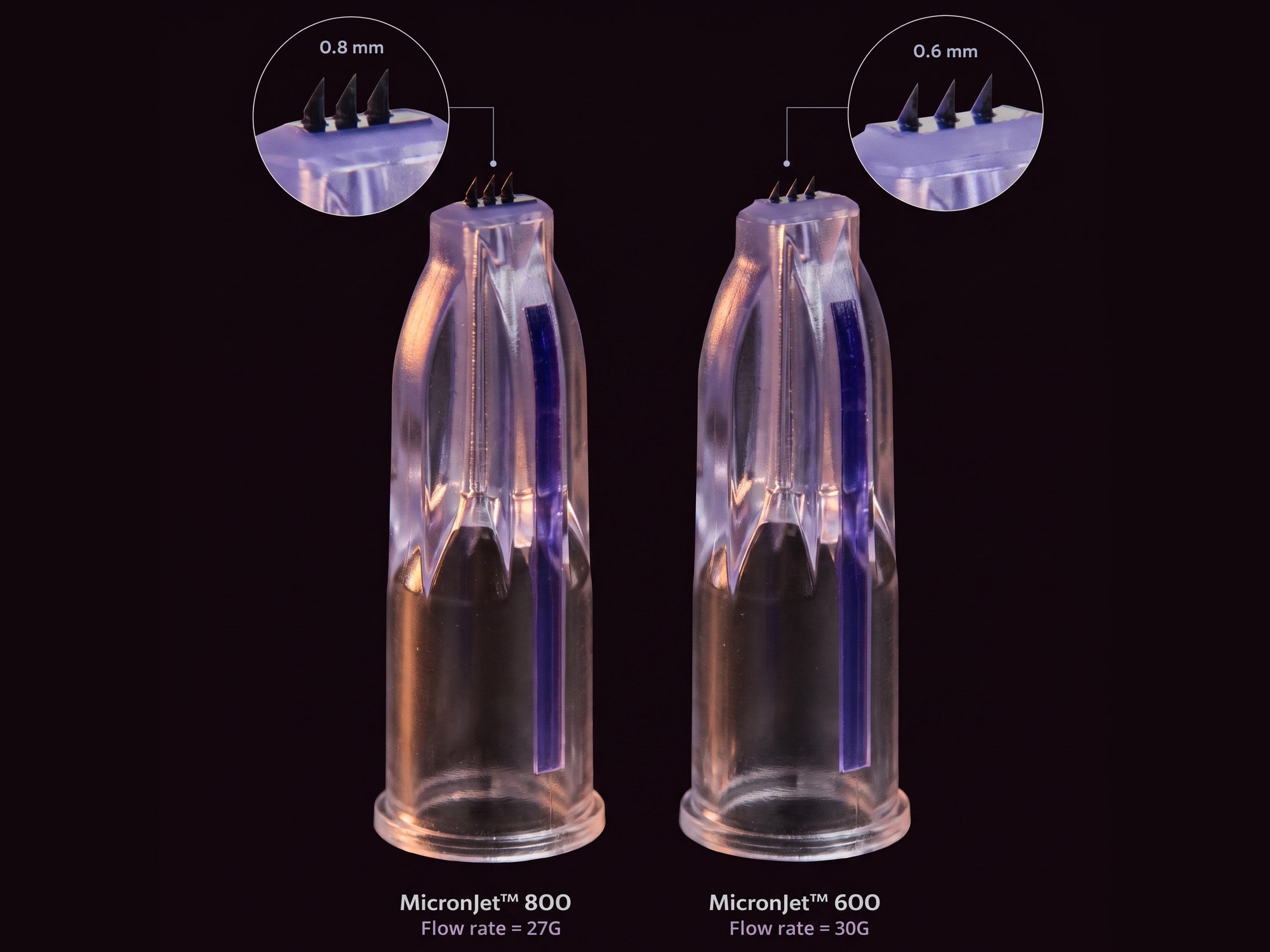
MJ600 and MJ800

The hub comes in two needle lengths. The MJ600 is 0.6mm at a 30G flow rate, the MJ800 is 0.8mm at 27G. Which one a provider reaches for depends on the area and the product going through it.

  • Two depths off one technique, so a provider learns it once
  • 0.6mm for the finest work, 0.8mm where you need more flow
  • Both mount on the same standard syringe
Hair and scalp

Hair and scalp

The second application

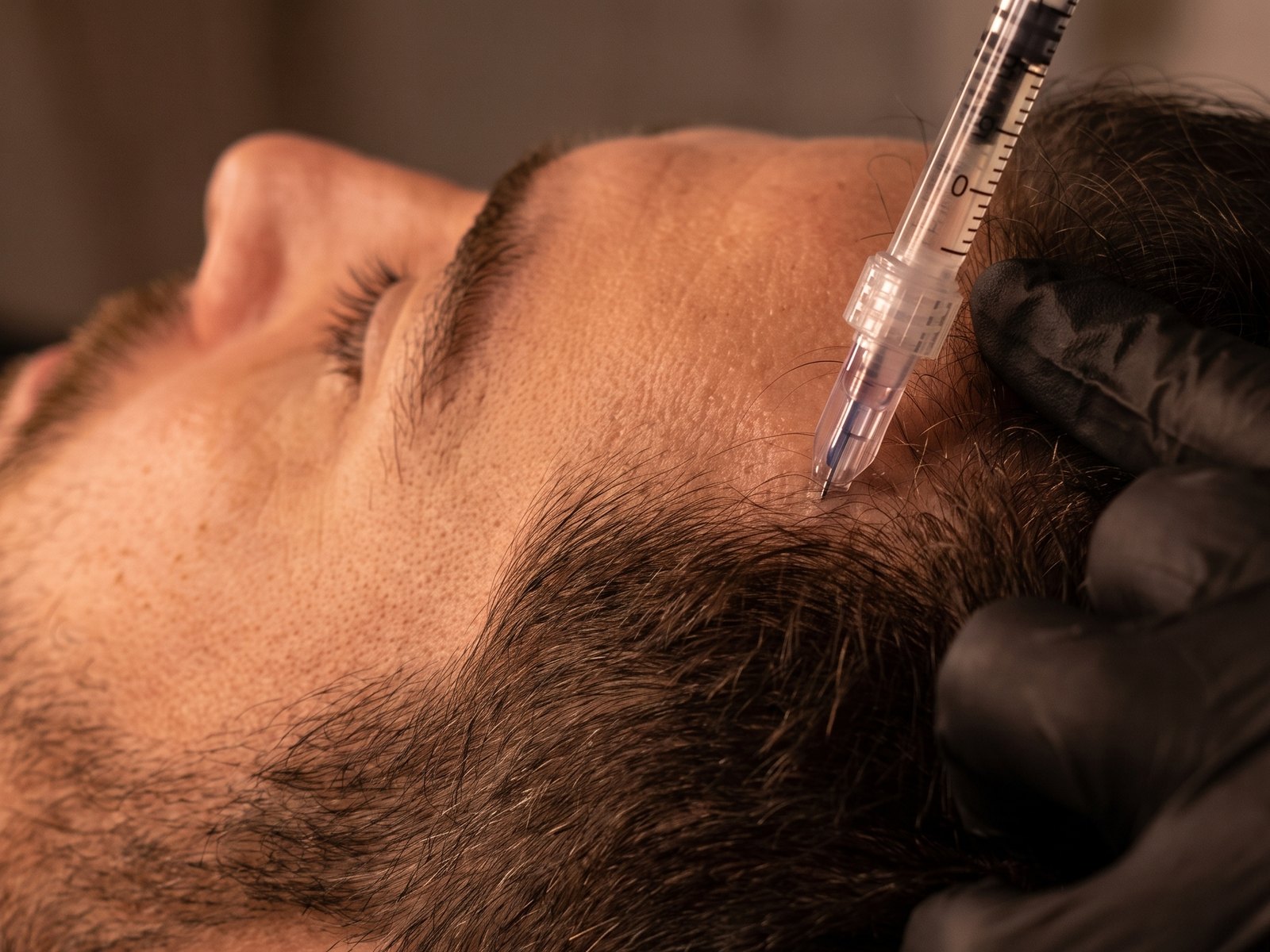
The same hub and the same technique, used along the hairline and across the scalp. For a practice already running the facial protocol it is an additional service off equipment and training you have paid for once.

  • A second service off one device and one training
  • Reaches a patient your aesthetic menu is probably missing
  • Same technique, so the provider is not learning a new skill

Product photographyTraining session. Photography incoming.

The training

Provider protocol and business build

My own protocols, taught hands on. Technique, depth, patient selection, and the contraindication split into hard-no versus judgment call.

  • Your provider learns the technique and the reasoning behind it
  • We rebuild the service around the protocol, then price and package it
  • Includes the front-desk conversation, which is where most practices lose the sale

The four questions

Every doctor asks these four, in this order. So this page answers them in that order.

I have heard them in this exact sequence for twenty six years. No brochure language, and no dodging the last one.

Question 1Is it safe?

In trained hands, with the right patient selection and the right technique, yes. Untrained hands are where problems come from, and that is true of every device in this category.

My training splits contraindications into two lists that most guides blur together: the things that are a hard no, and the things that are a judgment call. Providers need to know which is which before they touch a patient.

Question 2Does it work?

The device does what a microneedle injection device does. The variable is protocol and technique, which is exactly why I sell the two together.

I have written protocols for specific applications, including a full-scalp hair restoration mapping, built from parameters I use myself. Those go to trained providers directly, not onto a public web page.

Question 3Is it easy to incorporate?

Yes, and it slots into a menu you probably already have. Most practices are already offering something in this category at a low price point and low margin.

I train your provider, I help you rebuild the service around the new protocol, and I help you price and package it. That is not a separate engagement, it comes with the line.

Question 4Can I make money with it?

Here is the honest math. A basic microneedling service leaves a practice somewhere around fifty to a hundred dollars gross once you take out consumables. That is not a business, that is a favor.

The whole point of the premium protocol is to move that service into a different tier, with a different price and a different result. How far it moves depends on your market, your provider, and your existing menu. Any number I gave you here without seeing your practice would be a guess.

What the training covers

Sectioned, numbered, and built so your provider can actually follow it.

Three pieces, because a technique document on its own does not change what a practice earns.

ProviderThe trainer guide

Technique, depth, patient selection, and the contraindication split. Including depth guidance for the delicate work that most providers get wrong and then spend weeks apologizing for.

PatientPre and post care

A clean handout your front desk can give out without editing. Prep, aftercare, and what to expect, so your phone is not ringing with avoidable questions.

BusinessThe package

The part nobody trains you on. How the service is priced, packaged, and sold, and how it pairs with retail so the patient leaves with the result and the maintenance.

Training previewA look at the protocol and the technique. Recording.

Specifications, availability, and any regulatory status get confirmed in writing before a purchase. Nothing on this page is a medical claim or a promise of a clinical or financial outcome.

Training is limited and it is hands on. Tell me about your provider.

Start a conversation 407.781.6217